Transform Your Homes Comfort: Superior Insulation Solutions By Skilled Contractors
In the current energy-aware climate, adequate insulation plays a vital role in keeping homes comfortable and efficient. A large number of homeowners underestimate how greatly insulation affects energy costs and indoor air quality. Trusted contractors offer expert services that identify and address insulation issues. Exploring these services can demonstrate how modest modifications can produce considerable gains. Still, the challenge persists: how can you select the most suitable options for your unique requirements?
Why Poor Insulation Costs You Money and Comfort
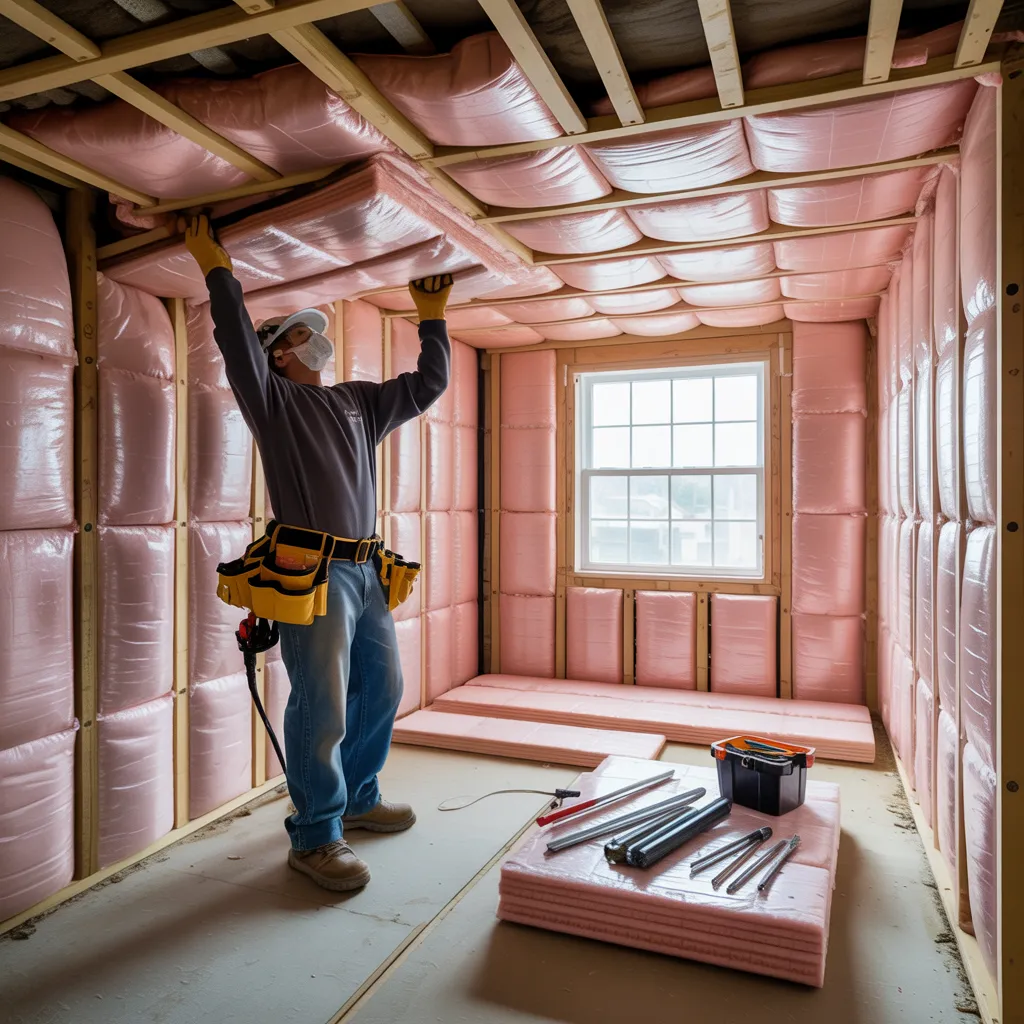
Poor insulation can greatly impact both energy expenses and indoor comfort. When insulation fails to meet standards, heat loss in winter and heat gain in summer become pronounced, forcing heating and cooling systems to work overtime. This inefficiency translates directly to higher utility bills, as homeowners face inflated energy costs due to increased demand on HVAC systems.
Additionally, poor insulation can contribute to unfavorable living conditions, with inconsistent temperatures and air drafts diminishing the comfort of your space. Excess moisture may also develop, creating a breeding ground for mold and mildew, which can significantly worsen indoor air quality.
Opting for quality insulation not only mitigates these issues but also enhances the overall value of your home. A properly insulated home promotes both energy efficiency and everyday comfort, allowing homeowners to enjoy their space while minimizing unneeded expenditures. Therefore, resolving insulation shortcomings is critical to achieving better living conditions and meaningful financial savings.
Is Your Home Drafty? How to Find Out?
Assessing whether a home experiences drafts may be done by identifying frequent indicators and evaluating utility bills. Detectable cold zones and varying temperature levels commonly point to air infiltration issues. In addition, exceptionally elevated energy bills might suggest that insufficient insulation is permitting heat loss.
Typical Draft Symptoms
Many homeowners often overlook the early warning signs of drafts inside their homes, which can lead to increased energy costs and discomfort. Typical signs involve obvious temperature differences, where certain rooms feel considerably colder than others. Residents might also notice drafts around doors, windows, and power outlets, commonly experienced as a cold feeling on exposed skin. Furthermore, ongoing moisture buildup on glass surfaces can suggest inadequate insulation, permitting cold air to enter the home. Audible whistling or shaking sounds during strong winds may also point to air infiltration. Lastly, if light curtains or fabrics sway in the absence of a breeze, it strongly suggests that air is making its way inside. Acknowledging these indicators marks the beginning of improving your home's overall comfort.
Energy Cost Indicators
Higher energy expenses commonly function as a clear signal of air leaks within a home. Property owners may experience a significant rise in their monthly costs, indicating that climate control systems are operating more intensively to keep temperatures comfortable. A poorly sealed home can result in inconsistent temperatures throughout the home, encouraging homeowners to increase thermostat settings. To identify specific areas of concern, homeowners can conduct simple tests, such as feeling for cold air seeping through windows and doors or holding a candle near potential draft sources. Additionally, checking insulation quality in attics and walls can uncover concealed air leaks. Addressing these issues with professional insulation services can aid in improving energy performance, producing lower energy costs and greater comfort.
Core Benefits of Professional Insulation Installation
Releasing discussion the maximum benefits of a home's thermal performance often is determined by professional insulation installation. Certified specialists confirm that insulating products are properly fitted, substantially decreasing heat loss in winter and preventing heat gain in summer. This precision leads to a reliably maintained indoor temperature, elevating comfort all year long.
Moreover, skilled installation can help achieve lower energy bills, as homes become less reliant on heating and cooling systems. This not only encourages financial savings but also minimizes the overall environmental impact, helping the environment.
In addition, professional contractors are highly informed about the latest insulation materials and technologies, guaranteeing that homeowners are provided with the optimal solutions designed for their specific needs. They also comply with local building codes and safety standards, which is essential for compliance and long-term performance. Ultimately, the primary advantages of professional insulation services consist of enhanced comfort, energy efficiency, and peace of mind for homeowners.
How to Find a Dependable Insulation Contractor
Identifying a dependable insulation contractor demands thoroughly evaluating various critical elements. Homeowners are advised to confirm the specialist's licensing and insurance policies, evaluate their experience and expertise, and seek itemized proposals to secure transparency. These steps contribute to arriving at a sound conclusion and achieving quality insulation services.
Validate Licenses And Insurance
When hiring an insulation contractor, it is crucial to confirm their licenses and insurance. This step guarantees that the contractor complies with local regulations and industry standards, providing peace of mind for homeowners. A proper license demonstrates that the contractor has received the necessary training and is qualified to perform insulation work. Moreover, insurance safeguards homeowners from potential liabilities, such as accidents or damage that may occur during the project. It is advisable to ask for proof of both licenses and insurance before continuing. In addition, homeowners should ensure that the insurance coverage is active and fully covers the scope of work. Implementing these measures helps to minimize risks and establishes a safer, more dependable working relationship with the contractor.
Assess Experience And Expertise
Understanding a contractor's capabilities and credentials is crucial when selecting a qualified insulation specialist. Reviewing a contractor's history involves examining their length of experience and the kinds of insulation projects they have executed. It is beneficial to take into account their particular niche, as some may concentrate on residential insulation while others may specialize in commercial applications.
Additionally, assessing customer reviews and testimonials can give homeowners a clearer picture of their quality of work and dependability. Accreditations from respected organizations also signal a strong respect for industry standards. Through careful consideration of these elements, homeowners can ensure they choose a contractor with the essential abilities and understanding to offer exceptional insulation work, ultimately enhancing the comfort and energy efficiency of their homes.
Request Detailed Estimates
How can homeowners ensure they are making a well-informed decision when choosing an insulation contractor? One practical approach is to obtain detailed quotes from several contractors. This approach enables homeowners to evaluate not just the pricing but also the range of services each contractor offers. An estimate should include materials, labor, timelines, and any potential additional fees. Homeowners should ensure that estimates are listed individually, giving clear insight into what each fee includes. Furthermore, seeking explanation on any ambiguous points can help avoid potential disputes down the line. By gathering thorough estimates, homeowners can more accurately gauge the worth provided by various contractors and reach a better-informed conclusion, leading to a rewarding insulation project that fulfills their goals and stays within their budget.
Selecting the Best Type of Insulation for Your Home
What aspects should homeowners evaluate when picking insulation? To begin with, the climate serves a critical function; areas with harsh temperature conditions may need stronger insulation materials, such as rigid foam or fiberglass batting. Homeowners are encouraged to examine the insulation's R-value, which measures its ability to resist heat transfer; elevated R-values are ideal for maximizing energy performance.
Another consideration is the type of material, which includes foam board, fiberglass, and cellulose, each with its own advantages and disadvantages. Homeowners should additionally evaluate the process of installation; certain materials can be installed independently, while others may need expert help.
Moreover, the region to be covered with insulation—basements, walls, or attics—will determine the choice of insulation. Additionally, budget constraints will guide decisions, as not all insulation options carry the same price tag. By considering these elements, property owners can select the insulation that most effectively suits their requirements and improves their home's comfort.
The Effect of Insulation on Energy Costs
Could homeowners truly grasp the significant role insulation plays in energy costs? Quality insulation considerably decreases the need for heating and cooling systems to operate excessively, leading to decreased monthly costs. By blocking thermal exchange, it keeps indoor temperatures consistent, which not only enhances comfort but also reduces power usage. Data suggests that homes with quality insulation can reduce costs by up to 20% on heating and cooling costs per year, a substantial figure for many households. Furthermore, the kind and standard of insulation additionally impact these savings; elevated R-values offer superior heat resistance. Homeowners often disregard the long-term financial benefits of investing in quality insulation, viewing it as an upfront cost rather than a financially wise decision. Ultimately, by focusing on proper insulation, homeowners can reach outstanding energy savings, leading to reduced monthly costs and a reduced ecological impact.
What to Expect During the Insulation Installation Process
Homeowners may achieve considerable energy savings with proper insulation, but knowing the installation process is just as essential. Initially, a professional contractor conducts a thorough assessment of the home, locating spots that demand insulation. This assessment involves examining attics, walls, and basements.
Following this step, the installer chooses the appropriate insulation solution, such as fiberglass, spray foam, or cellulose, in accordance with the property's particular needs and financial considerations. When the appropriate materials are determined, the work commences. The installation commonly requires sealing any gaps or cracks to improve performance.
In the case of attic insulation, the method can include installing batts or injecting loose-fill material, while wall insulation may necessitate creating small holes for material injection. After installation, the contractor will inspect the completed work to ensure no sections have been missed. Ultimately, correctly performed insulation installation not only improves home comfort but also supports lasting energy efficiency.
Questions Our Clients Often Ask
What Is the Typical Lifespan of Insulation Before Replacement Is Needed?
Insulation typically lasts anywhere from 20 to 30 years, depending on the material and environmental conditions. Periodic inspections can help evaluate its condition and if replacement is needed to maintain ideal energy efficiency in a home.
Can I Install Insulation Myself, or Should I Hire a Professional?
While some individuals may attempt DIY insulation installation, enlisting a professional is typically the better choice. Skilled professionals provide proper installation, conformance to safety regulations, and optimal energy efficiency, ultimately delivering a more reliable and durable insulation solution.
What Are the Ecological Effects of Various Insulation Materials?
Different insulation materials have varying environmental impacts. Natural options like cellulose and sheep’s wool are generally more sustainable, while synthetic materials, such as foam, may release harmful chemicals during production and disposal. Recycling and sourcing matter considerably.
How Do I Know if My Insulation Needs to Be Upgraded?
Warning signs that insulation needs replacement include noticeable temperature fluctuations, increased energy bills, drafts, or visible wear and tear. Checking locations like attics and walls can further expose moisture concerns or inadequate levels of insulation.
Are There Any Government Incentives for Improving Home Insulation?
Absolutely, many governments provide incentives for enhancing home insulation, such as rebates, grants, or tax credits. Property owners should check local programs and national initiatives that encourage energy efficiency upgrades to maximize their potential savings.